
Project for the Expansion of the Sewer Network and Construction of the Wastewater Treatment Plant in Esporões
Municipality of Trancoso
Introduction
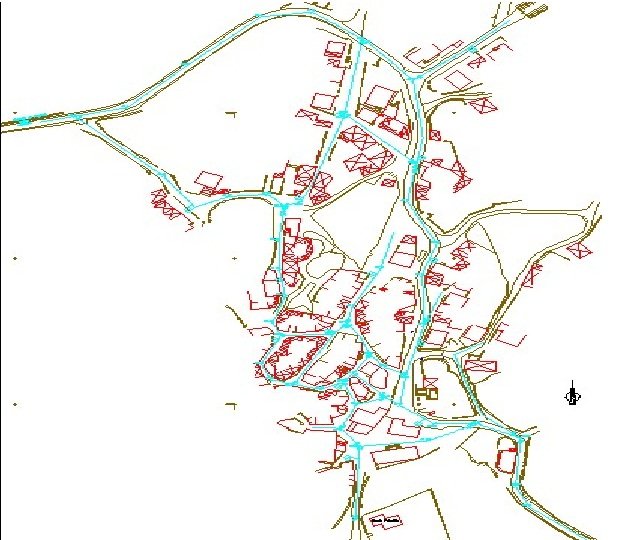
This technical project consisted of the design and implementation of an integrated solution for the water and wastewater drainage network in the town of Esporões. The intervention included the replacement of existing supply infrastructure and the installation of a Compact Wastewater Treatment System (WWTP), designed to ensure environmental efficiency and the protection of public health.
Context and Need
The project’s necessity was based on the extension of the wastewater network, anticipating that the existing water infrastructure would be affected by ruptures during trenching. To serve a population of 117 equivalent inhabitants, priority was given to implementing a system that met the discharge limits established by Decree-Law No. 152/97. The intervention aimed to replace obsolete systems with stable technology capable of withstanding peak organic loads without compromising treatment efficiency.
Summary of the Project Completed
The project materialized through a technical solution divided into three main axes:
- Distribution and Drainage Networks: Replacement of PVC water mains and construction of approximately 2060 m of corrugated PVC wastewater collectors. The system includes connecting branches and circular manholes, as well as a Compact Pumping Station (CPS) equipped with Grundfos grinder pumps to overcome topographic differences.
- Biological Treatment System: Implementation of a compact wastewater treatment plant based on the Extended Aeration (activated sludge) process. Treatment occurs cyclically in a 40 m³ cylindrical bioreactor made of steel sheet, using fine bubble diffusion and submersible air injection. This technique ensures high-quality effluent and minimal stable sludge production.
- Infrastructure and Completion: Installation of an automatic electrical panel with alarm signaling and phase failure protection. For final effluent disposal, two absorption wells (2.60 m diameter) were constructed, sized according to the absorption capacity of the local soil. The project culminated in the complete repaving of the affected streets with a base layer of crushed aggregate and bituminous wearing course.
The assembly of the units was carried out with the support of rotating cranes on leveled sand beds, ensuring the solidity and durability of the station, which requires only simple automatic maintenance operations.
Would you like to learn more about hydraulic infrastructure solutions or contact our team for a specific project? Visit our complete portfolio or contact us through our website.
Discover how we can make your project a reality.
Get in touch with us and let’s create something extraordinary together.

ENVISQUANTIS, LDA
Links
Follow us on social media:
Copyright © 2025 Envisquantis, LDA